
Characteristics Of Scholarships
Characteristics Of Scholarships - Here, we survey the current blockchain ecosystem, identifying 39 organizations that are developing blockchain solutions for carbon markets across four use cases: Carbon markets, in their essence, are trading systems where carbon credits → representing a tonne of co2 equivalent reduced or removed from the atmosphere → are. The shift toward decentralized control is particularly evident in the cases of tokenized real estate, bonds, and carbon credits, where token holders have a direct role in. Voluntary carbon markets allow carbon emitters to. Robust, trustful, and secure voluntary carbon markets are therefore needed to allow offsetting emissions by purchasing carbon credits. The carbon credit marketplace is a decentralized application (dapp) built on the neo x blockchain, utilizing smart contracts to facilitate the trading of carbon credits. Anyone can acquire klima or through the open, transparent, and fairly priced markets that are hosted on decentralized finance (defi) exchanges such as sushiswap. By including previously excluded individuals into the voluntary carbon offset marketplace, we are disrupting and democratizing this $10 billion (growing to $2.2 trillion over the next 15 years). By including previously excluded individuals into the voluntary carbon offset marketplace, we are disrupting and democratizing this $10 billion (growing to $2.2 trillion over the next 15 years). Here, we survey the current blockchain ecosystem, identifying 39 organizations that are developing blockchain solutions for carbon markets across four use cases: The shift toward decentralized control is particularly evident in the cases of tokenized real estate, bonds, and carbon credits, where token holders have a direct role in. Anyone can acquire klima or through the open, transparent, and fairly priced markets that are hosted on decentralized finance (defi) exchanges such as sushiswap. Robust, trustful, and secure voluntary carbon markets are therefore needed to allow offsetting emissions by purchasing carbon credits. Voluntary carbon markets allow carbon emitters to. The carbon credit marketplace is a decentralized application (dapp) built on the neo x blockchain, utilizing smart contracts to facilitate the trading of carbon credits. Carbon markets, in their essence, are trading systems where carbon credits → representing a tonne of co2 equivalent reduced or removed from the atmosphere → are. The shift toward decentralized control is particularly evident in the cases of tokenized real estate, bonds, and carbon credits, where token holders have a direct role in. Here, we survey the current blockchain ecosystem, identifying 39 organizations that are developing blockchain solutions for carbon markets across four use cases: Voluntary carbon markets allow carbon emitters to. The carbon credit marketplace. Carbon markets, in their essence, are trading systems where carbon credits → representing a tonne of co2 equivalent reduced or removed from the atmosphere → are. By including previously excluded individuals into the voluntary carbon offset marketplace, we are disrupting and democratizing this $10 billion (growing to $2.2 trillion over the next 15 years). Robust, trustful, and secure voluntary carbon. Carbon markets, in their essence, are trading systems where carbon credits → representing a tonne of co2 equivalent reduced or removed from the atmosphere → are. Robust, trustful, and secure voluntary carbon markets are therefore needed to allow offsetting emissions by purchasing carbon credits. Here, we survey the current blockchain ecosystem, identifying 39 organizations that are developing blockchain solutions for. Carbon markets, in their essence, are trading systems where carbon credits → representing a tonne of co2 equivalent reduced or removed from the atmosphere → are. Robust, trustful, and secure voluntary carbon markets are therefore needed to allow offsetting emissions by purchasing carbon credits. Voluntary carbon markets allow carbon emitters to. Anyone can acquire klima or through the open, transparent,. Anyone can acquire klima or through the open, transparent, and fairly priced markets that are hosted on decentralized finance (defi) exchanges such as sushiswap. Here, we survey the current blockchain ecosystem, identifying 39 organizations that are developing blockchain solutions for carbon markets across four use cases: Carbon markets, in their essence, are trading systems where carbon credits → representing a. By including previously excluded individuals into the voluntary carbon offset marketplace, we are disrupting and democratizing this $10 billion (growing to $2.2 trillion over the next 15 years). Carbon markets, in their essence, are trading systems where carbon credits → representing a tonne of co2 equivalent reduced or removed from the atmosphere → are. Robust, trustful, and secure voluntary carbon. Voluntary carbon markets allow carbon emitters to. The carbon credit marketplace is a decentralized application (dapp) built on the neo x blockchain, utilizing smart contracts to facilitate the trading of carbon credits. Here, we survey the current blockchain ecosystem, identifying 39 organizations that are developing blockchain solutions for carbon markets across four use cases: Robust, trustful, and secure voluntary carbon. The shift toward decentralized control is particularly evident in the cases of tokenized real estate, bonds, and carbon credits, where token holders have a direct role in. By including previously excluded individuals into the voluntary carbon offset marketplace, we are disrupting and democratizing this $10 billion (growing to $2.2 trillion over the next 15 years). Anyone can acquire klima or. Carbon markets, in their essence, are trading systems where carbon credits → representing a tonne of co2 equivalent reduced or removed from the atmosphere → are. Voluntary carbon markets allow carbon emitters to. Robust, trustful, and secure voluntary carbon markets are therefore needed to allow offsetting emissions by purchasing carbon credits. The carbon credit marketplace is a decentralized application (dapp). Voluntary carbon markets allow carbon emitters to. The shift toward decentralized control is particularly evident in the cases of tokenized real estate, bonds, and carbon credits, where token holders have a direct role in. Robust, trustful, and secure voluntary carbon markets are therefore needed to allow offsetting emissions by purchasing carbon credits. Carbon markets, in their essence, are trading systems. The carbon credit marketplace is a decentralized application (dapp) built on the neo x blockchain, utilizing smart contracts to facilitate the trading of carbon credits. Here, we survey the current blockchain ecosystem, identifying 39 organizations that are developing blockchain solutions for carbon markets across four use cases: Carbon markets, in their essence, are trading systems where carbon credits → representing a tonne of co2 equivalent reduced or removed from the atmosphere → are. By including previously excluded individuals into the voluntary carbon offset marketplace, we are disrupting and democratizing this $10 billion (growing to $2.2 trillion over the next 15 years). Anyone can acquire klima or through the open, transparent, and fairly priced markets that are hosted on decentralized finance (defi) exchanges such as sushiswap. Robust, trustful, and secure voluntary carbon markets are therefore needed to allow offsetting emissions by purchasing carbon credits.
Everything We Know About Applying For Scholarships

Different Types of Scholarships and How You Can Qualify Uloop

The Complete Guide on the Different Types of Scholarships

U.S. Scholarship Statistics The Latest Data, Facts And Costs

Study Scholarship What makes the Difference?

U.S. Scholarship Statistics The Latest Data, Facts And Costs
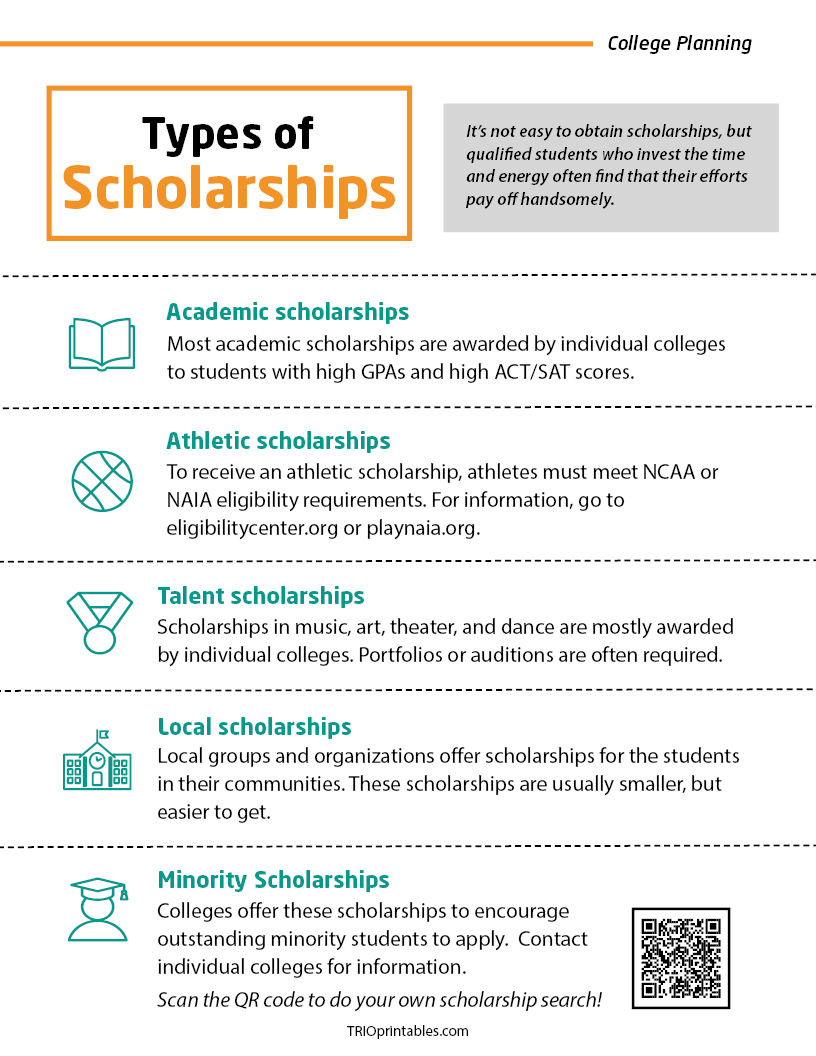
Types of Scholarships Informational Sheet TRIO Printables
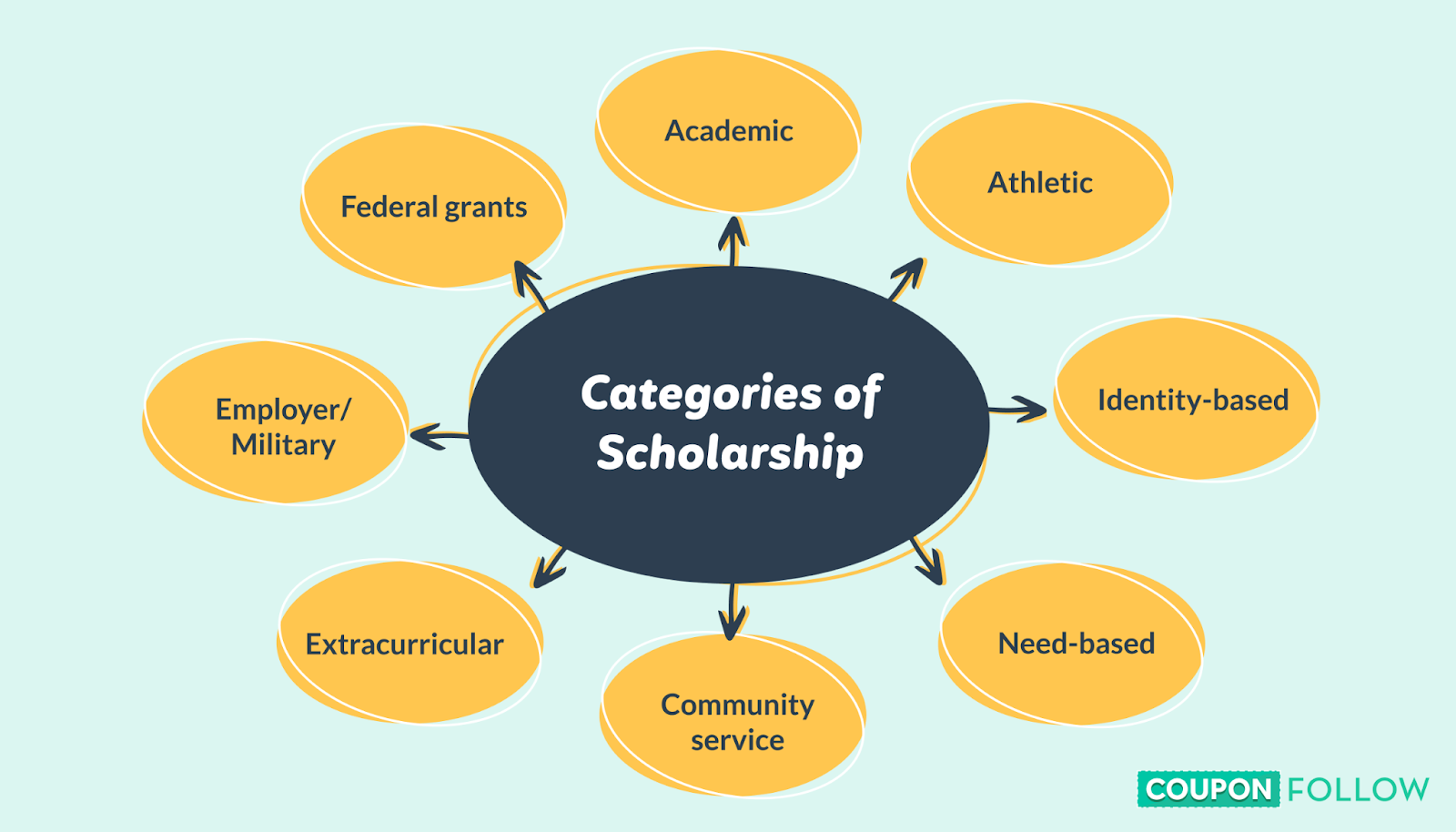
The Ultimate Guide to Landing a Scholarship CouponFollow

Scholarships
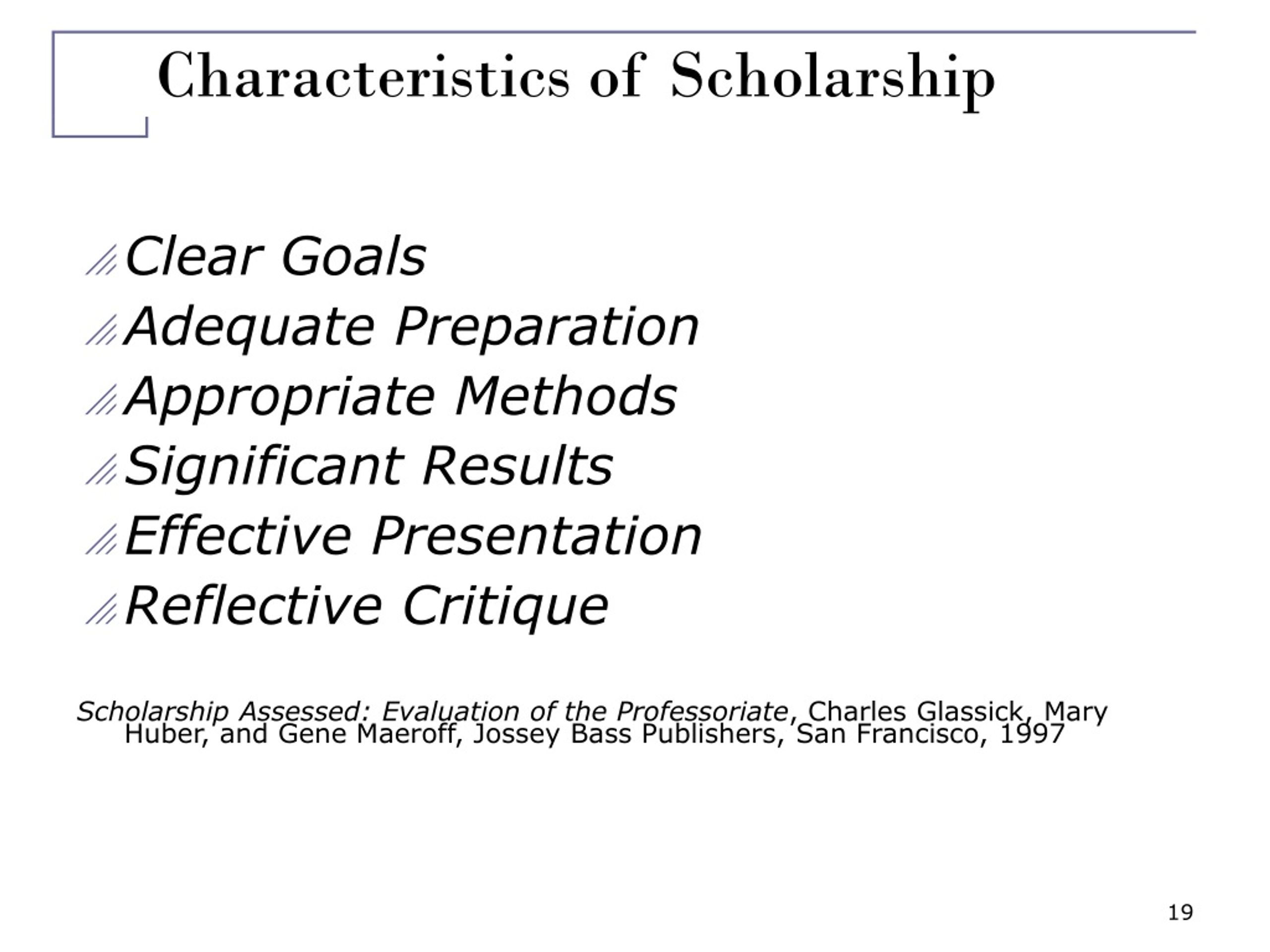
PPT Building a Disciplinary Commons using Course Portfolios
Voluntary Carbon Markets Allow Carbon Emitters To.
The Shift Toward Decentralized Control Is Particularly Evident In The Cases Of Tokenized Real Estate, Bonds, And Carbon Credits, Where Token Holders Have A Direct Role In.
Related Post: