
Epilepsy Foundation Scholarship 2012
Epilepsy Foundation Scholarship 2012 - Who fact sheet on epilepsy, a chronic noncommunicable disorder of the brain that affects people of all ages. The fact sheet includes key facts, signs and symptoms, causes,. More than 50 million people worldwide have epilepsy; Who’s intersectoral global action plan (igap) on epilepsy and other neurological disorders, published today in all six un languages, sets out the actions needed to improve. Using the concept of levers for change introduced by the operational framework for primary health care, it identifies actions on the policy and operational levels that. En el mundo hay aproximadamente 50 millones de personas con epilepsia. A public health imperative is the first global report on epilepsy summarizing the available evidence on the burden of epilepsy and the public health response. Epilepsy is the most common chronic brain disease and affects people of all ages. Our work involves mental health promotion and the prevention of mental, neurological and substance use disorders. Elle se caractérise par des crises récurrentes se. The fact sheet includes key facts, signs and symptoms, causes,. L’épilepsie est une affection non transmissible chronique du cerveau qui touche 50 millions de personnes dans le monde. We support the expansion of access to affordable, quality care for. Who fact sheet on epilepsy, a chronic noncommunicable disorder of the brain that affects people of all ages. Using the concept of levers for change introduced by the operational framework for primary health care, it identifies actions on the policy and operational levels that. Our work involves mental health promotion and the prevention of mental, neurological and substance use disorders. More than 50 million people worldwide have epilepsy; La epilepsia es un trastorno neurológico crónico que afecta a personas de todas las edades. Epilepsy is the most common chronic brain disease and affects people of all ages. A public health imperative is the first global report on epilepsy summarizing the available evidence on the burden of epilepsy and the public health response. The fact sheet includes key facts, signs and symptoms, causes,. Who fact sheet on epilepsy, a chronic noncommunicable disorder of the brain that affects people of all ages. Our work involves mental health promotion and the prevention of mental, neurological and substance use disorders. We support the expansion of access to affordable, quality care for. Epilepsy is the most common. Who’s intersectoral global action plan (igap) on epilepsy and other neurological disorders, published today in all six un languages, sets out the actions needed to improve. La epilepsia es un trastorno neurológico crónico que afecta a personas de todas las edades. Epilepsy is the most common chronic brain disease and affects people of all ages. We support the expansion of. La epilepsia es un trastorno neurológico crónico que afecta a personas de todas las edades. L’épilepsie est une affection non transmissible chronique du cerveau qui touche 50 millions de personnes dans le monde. Elle se caractérise par des crises récurrentes se. The fact sheet includes key facts, signs and symptoms, causes,. A public health imperative is the first global report. En el mundo hay aproximadamente 50 millones de personas con epilepsia. A new technical brief published today by the world health organization (who), improving the lives of people with epilepsy, sets out the actions required to deliver an. Who fact sheet on epilepsy, a chronic noncommunicable disorder of the brain that affects people of all ages. Elle se caractérise par. En el mundo hay aproximadamente 50 millones de personas con epilepsia. A new technical brief published today by the world health organization (who), improving the lives of people with epilepsy, sets out the actions required to deliver an. Our work involves mental health promotion and the prevention of mental, neurological and substance use disorders. Who fact sheet on epilepsy, a. A public health imperative is the first global report on epilepsy summarizing the available evidence on the burden of epilepsy and the public health response. Using the concept of levers for change introduced by the operational framework for primary health care, it identifies actions on the policy and operational levels that. Who’s intersectoral global action plan (igap) on epilepsy and. Elle se caractérise par des crises récurrentes se. Who’s intersectoral global action plan (igap) on epilepsy and other neurological disorders, published today in all six un languages, sets out the actions needed to improve. Using the concept of levers for change introduced by the operational framework for primary health care, it identifies actions on the policy and operational levels that.. Using the concept of levers for change introduced by the operational framework for primary health care, it identifies actions on the policy and operational levels that. The fact sheet includes key facts, signs and symptoms, causes,. Elle se caractérise par des crises récurrentes se. La epilepsia es un trastorno neurológico crónico que afecta a personas de todas las edades. More. Using the concept of levers for change introduced by the operational framework for primary health care, it identifies actions on the policy and operational levels that. Who fact sheet on epilepsy, a chronic noncommunicable disorder of the brain that affects people of all ages. Epilepsy is the most common chronic brain disease and affects people of all ages. More than. En el mundo hay aproximadamente 50 millones de personas con epilepsia. L’épilepsie est une affection non transmissible chronique du cerveau qui touche 50 millions de personnes dans le monde. Epilepsy is the most common chronic brain disease and affects people of all ages. Using the concept of levers for change introduced by the operational framework for primary health care, it. Epilepsy is the most common chronic brain disease and affects people of all ages. Our work involves mental health promotion and the prevention of mental, neurological and substance use disorders. La epilepsia es un trastorno neurológico crónico que afecta a personas de todas las edades. Who’s intersectoral global action plan (igap) on epilepsy and other neurological disorders, published today in all six un languages, sets out the actions needed to improve. L’épilepsie est une affection non transmissible chronique du cerveau qui touche 50 millions de personnes dans le monde. More than 50 million people worldwide have epilepsy; A new technical brief published today by the world health organization (who), improving the lives of people with epilepsy, sets out the actions required to deliver an. Using the concept of levers for change introduced by the operational framework for primary health care, it identifies actions on the policy and operational levels that. En el mundo hay aproximadamente 50 millones de personas con epilepsia. Elle se caractérise par des crises récurrentes se. Who fact sheet on epilepsy, a chronic noncommunicable disorder of the brain that affects people of all ages.Reminder about our 2025 Scholarship season! EFGC is proud to offer ten
🎓 The Defeating Epilepsy Foundation Scholarship 📚 The Defeating
defeatepilepsy scholarshipopportunity epilepsyawareness

Education Scholarship Program Epilepsy Reach Foundation
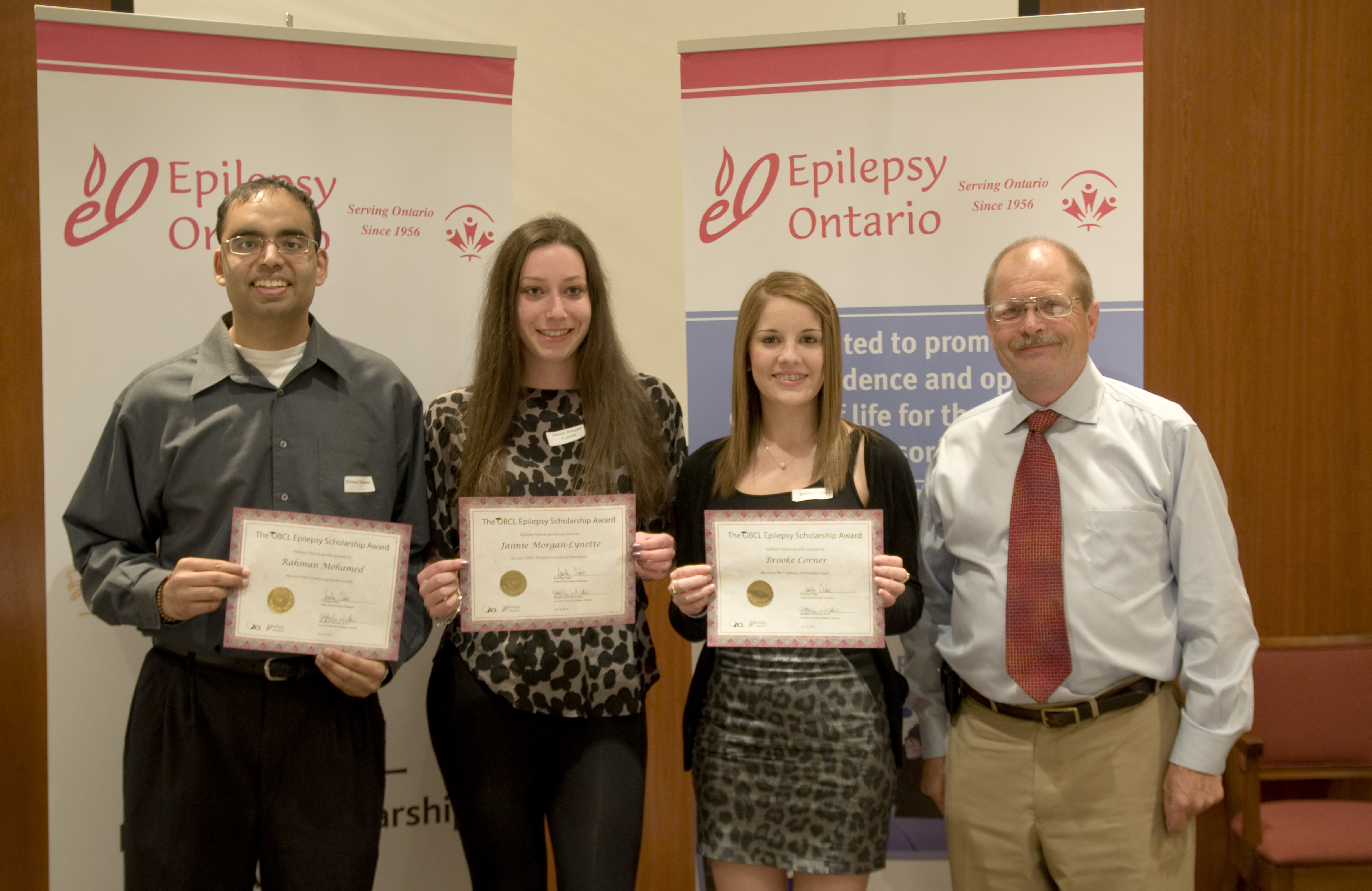
2012 OBCL Scholarship Recipients Epilepsy Ontario
Epilepsy Foundation Los Angeles on LinkedIn 🎓 📢 The deadline for our

Disability & Epilepsy Scholarships Epilepsy Foundation

Education Scholarship Program Epilepsy Reach Foundation
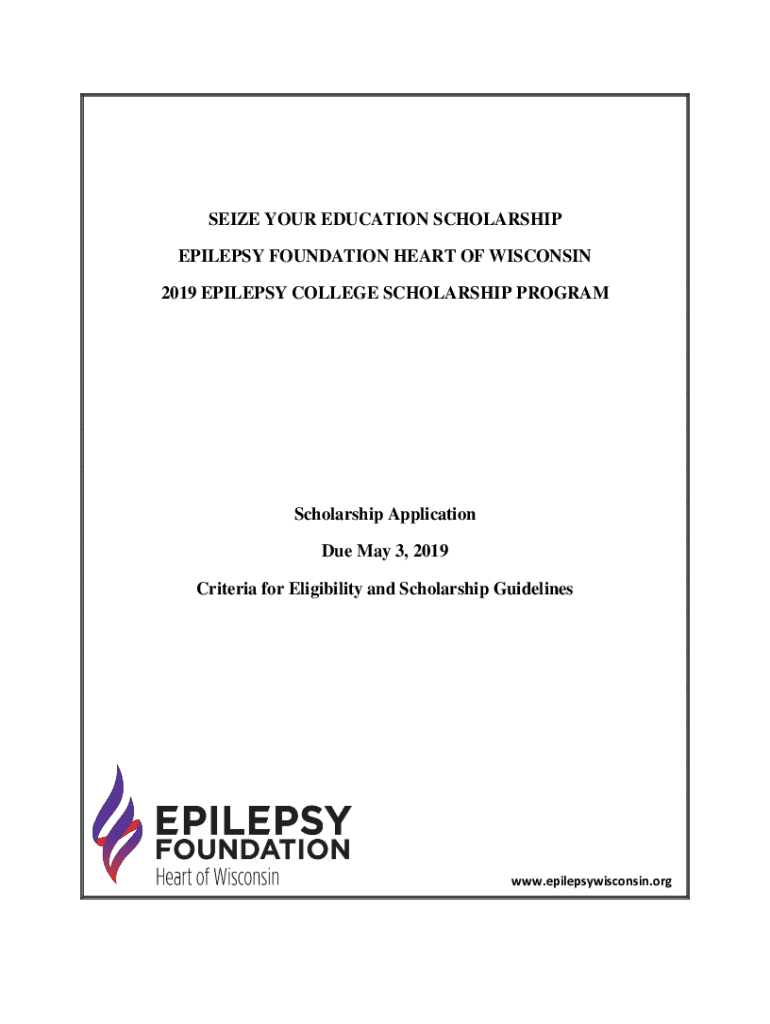
Fillable Online Scholarship Application Epilepsy Foundation of
UCB is awarding over 30 scholarships to people living with epilepsy
We Support The Expansion Of Access To Affordable, Quality Care For.
A Public Health Imperative Is The First Global Report On Epilepsy Summarizing The Available Evidence On The Burden Of Epilepsy And The Public Health Response.
The Fact Sheet Includes Key Facts, Signs And Symptoms, Causes,.
Related Post:


