
Promise Scholarship Rules
Promise Scholarship Rules - I have a promise object and two console.log() on either side of the. I am trying to wrap my head around promise object in javascript. I copied this code from the guide and tried it in my developer console: Then, promise<{}> is compatible with promise, because basically the only property a promise has is then method, and then is compatible in these two promise types. I'm trying to learn what promise is, so i started following this guide. I was reading the mdn's manual on promise, and i found these two methods which seem similar to me: How do i test to see if a given object is a promise? The class template std::promise provides a facility to store a value or an exception that is later acquired asynchronously via a std::future object created by the std::promise object. The operation behaves as though set_value, set_exception, set_value_at_thread_exit, and set_exception_at_thread_exit acquire a single mutex. The promise resolution procedure is an abstract operation taking as input a promise and a value, which we denote as [ [resolve]] (promise, x). This might seem a silly question but i am a newbie in this topic. If x is a thenable, it attempts to make promise. How do i test to see if a given object is a promise? Whether it's an es6 promise or a bluebird promise, q promise, etc. I was reading the mdn's manual on promise, and i found these two methods which seem similar to me: I have a promise object and two console.log() on either side of the. The operation behaves as though set_value, set_exception, set_value_at_thread_exit, and set_exception_at_thread_exit acquire a single mutex. The class template std::promise provides a facility to store a value or an exception that is later acquired asynchronously via a std::future object created by the std::promise object. Then, promise<{}> is compatible with promise, because basically the only property a promise has is then method, and then is compatible in these two promise types. So here i have this little piece of code. The promise resolution procedure is an abstract operation taking as input a promise and a value, which we denote as [ [resolve]] (promise, x). I am trying to wrap my head around promise object in javascript. How do i test to see if a given object is a promise? This might seem a silly question but i am a newbie. I'm trying to learn what promise is, so i started following this guide. If x is a thenable, it attempts to make promise. The class template std::promise provides a facility to store a value or an exception that is later acquired asynchronously via a std::future object created by the std::promise object. I copied this code from the guide and tried. If x is a thenable, it attempts to make promise. Then, promise<{}> is compatible with promise, because basically the only property a promise has is then method, and then is compatible in these two promise types. The promise resolution procedure is an abstract operation taking as input a promise and a value, which we denote as [ [resolve]] (promise, x).. If x is a thenable, it attempts to make promise. Then, promise<{}> is compatible with promise, because basically the only property a promise has is then method, and then is compatible in these two promise types. I was reading the mdn's manual on promise, and i found these two methods which seem similar to me: This might seem a silly. Then, promise<{}> is compatible with promise, because basically the only property a promise has is then method, and then is compatible in these two promise types. I'm trying to learn what promise is, so i started following this guide. The class template std::promise provides a facility to store a value or an exception that is later acquired asynchronously via a. I have a promise object and two console.log() on either side of the. If x is a thenable, it attempts to make promise. I am working with promises on nodejs and i want to pass a parameter to a promise function. Whether it's an es6 promise or a bluebird promise, q promise, etc. I'm trying to learn what promise is,. This might seem a silly question but i am a newbie in this topic. So here i have this little piece of code. How do i test to see if a given object is a promise? The promise resolution procedure is an abstract operation taking as input a promise and a value, which we denote as [ [resolve]] (promise, x).. The promise resolution procedure is an abstract operation taking as input a promise and a value, which we denote as [ [resolve]] (promise, x). I copied this code from the guide and tried it in my developer console: I am working with promises on nodejs and i want to pass a parameter to a promise function. I was reading the. The class template std::promise provides a facility to store a value or an exception that is later acquired asynchronously via a std::future object created by the std::promise object. I am trying to wrap my head around promise object in javascript. This might seem a silly question but i am a newbie in this topic. I copied this code from the. I am working with promises on nodejs and i want to pass a parameter to a promise function. The operation behaves as though set_value, set_exception, set_value_at_thread_exit, and set_exception_at_thread_exit acquire a single mutex. I copied this code from the guide and tried it in my developer console: I'm trying to learn what promise is, so i started following this guide. If. I am trying to wrap my head around promise object in javascript. The operation behaves as though set_value, set_exception, set_value_at_thread_exit, and set_exception_at_thread_exit acquire a single mutex. If x is a thenable, it attempts to make promise. How do i test to see if a given object is a promise? Then, promise<{}> is compatible with promise, because basically the only property a promise has is then method, and then is compatible in these two promise types. Whether it's an es6 promise or a bluebird promise, q promise, etc. So here i have this little piece of code. The class template std::promise provides a facility to store a value or an exception that is later acquired asynchronously via a std::future object created by the std::promise object. I was reading the mdn's manual on promise, and i found these two methods which seem similar to me: I copied this code from the guide and tried it in my developer console: This might seem a silly question but i am a newbie in this topic. The promise resolution procedure is an abstract operation taking as input a promise and a value, which we denote as [ [resolve]] (promise, x).
AMA Shares the Critical Info about 2024 North Star Promise Scholarship

PPT Promise Scholarship Programs Progress and Challenges PowerPoint

North Star Promise Scholarship Program offers affordable pathway to

Promise Scholarship College & Career Point Loma High School

Promise Scholarship Access Achieve Succeed

PPT ACT/MME PowerPoint Presentation, free download ID3133957

PPT ACT/MME PowerPoint Presentation, free download ID3133957

Nevada Promise Scholarships Available; Must Apply...

Nevada Promise Scholarship College and Career Resources Somerset
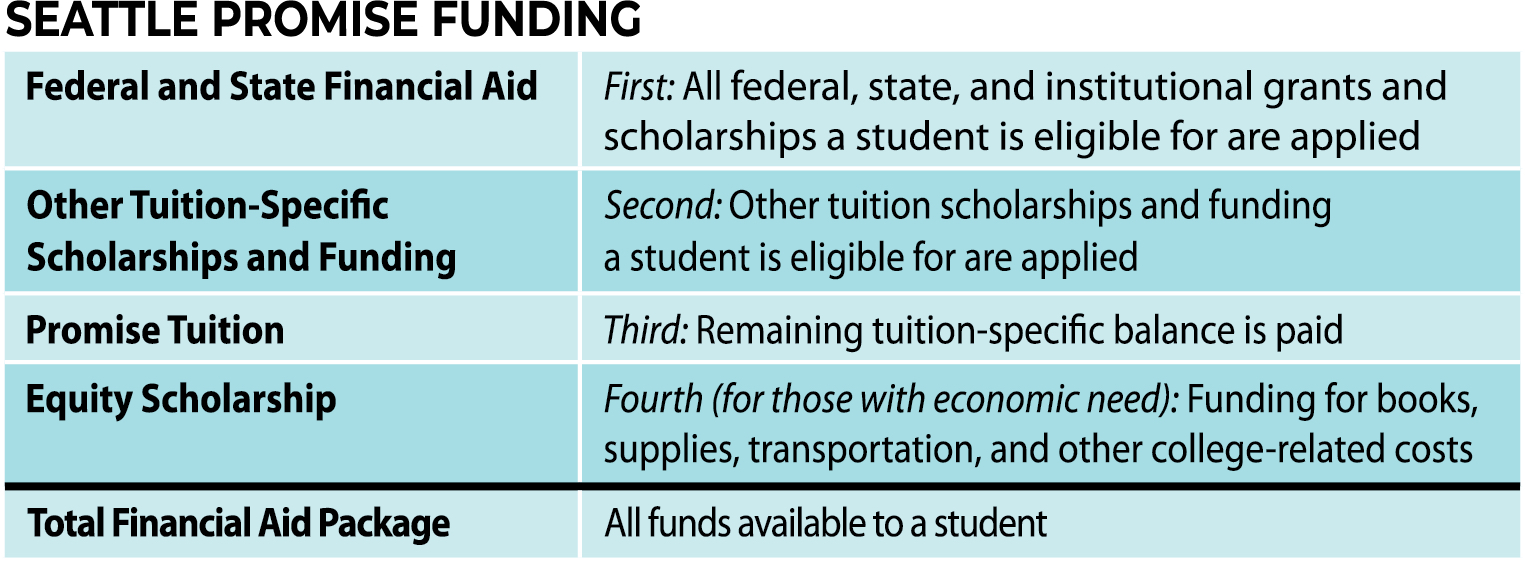
Frequently Asked Questions Seattle Colleges
I'm Trying To Learn What Promise Is, So I Started Following This Guide.
I Have A Promise Object And Two Console.log() On Either Side Of The.
I Am Working With Promises On Nodejs And I Want To Pass A Parameter To A Promise Function.
Related Post: